Tired of the Heat? Cool Your Roof & Cut Your AC Bills by 20% with SHIELD Cool Roof Tiles
13/05/2026

Picking the right paver blocks for your project comes down to one question: where will they be walked on, driven over, or built around? A garden path and a truck-parking yard put very different demands on a paver, even if both look similar sitting in a showroom. Traffic, thickness, strength, appearance, and durability all shift depending on the application, and getting the match wrong usually shows up within a year or two, not on day one. This guide walks through the factors worth checking before you place an order, so the paver you choose actually holds up where you're putting it.
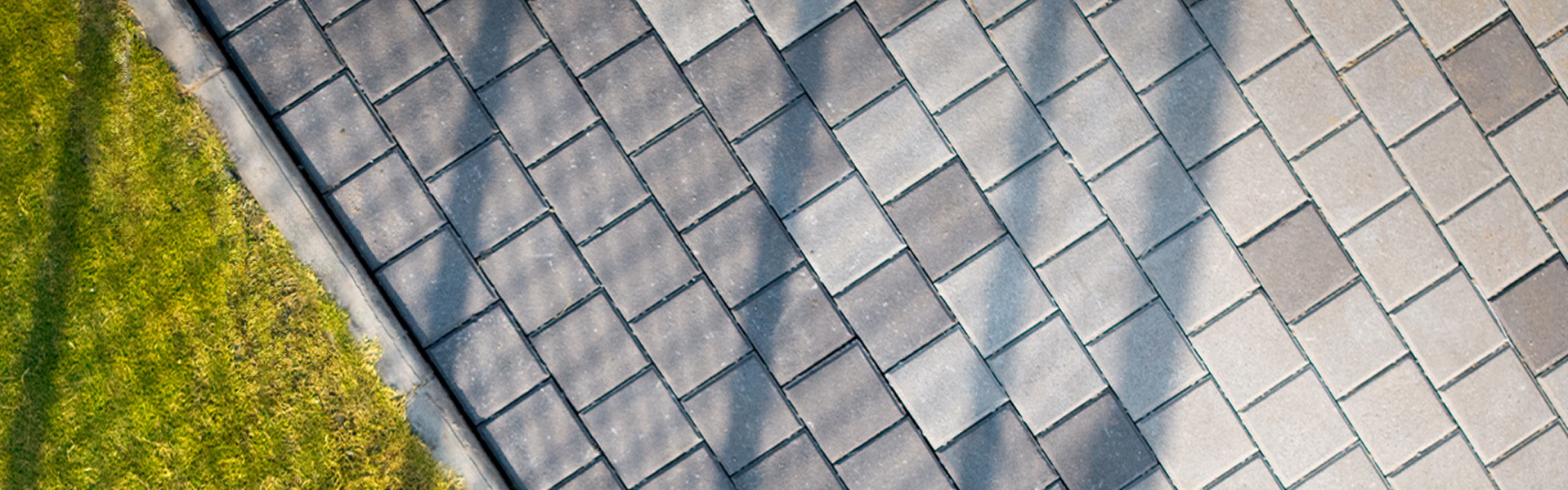
Before anything else, define how the surface will actually be used. A quiet residential walkway, a garden path, a driveway that sees two cars a day, a shopping-centre parking lot, and an industrial loading yard all call for different specifications, even though they're all technically "paver blocks." Foot traffic alone is fairly forgiving. Add vehicles, and the requirements around thickness and strength tighten. Add heavy or frequent vehicles, and the paver needs to be treated less like a decorative surface and more like part of the structural design. Getting clear on the application first makes every later decision, from thickness to strength to colour, much easier to make correctly.
Traffic generally falls into a few broad categories: pedestrian-only areas, light vehicle traffic such as private driveways, regular vehicle traffic like shared parking areas, and heavy vehicle or industrial traffic involving trucks, forklifts, or continuous loading. Each step up in traffic typically calls for a paver with greater thickness and higher compressive strength, since the block has to distribute load without cracking or shifting over time. Pedestrian paths rarely need the same specification as a loading bay. For demanding applications such as ports, factories, or heavy commercial parking, it's worth involving a structural or civil engineer early, since the sub-base and bedding layer matter as much as the paver itself in these situations.
Thickness is one of the first specifications buyers ask about, and for good reason. It directly affects how a paver handles load. In India, concrete paver blocks are commonly available in thicknesses such as 60 mm, 80 mm, and 100 mm, with selection guided by the applicable Bureau of Indian Standards (BIS) specification for precast concrete paving blocks, IS 15658. As a general pattern, thinner pavers suit pedestrian and light-duty areas, while thicker sections are more commonly specified for driveways, parking areas and heavier-traffic zones. That said, thickness isn't the only variable. Concrete grade, base preparation, and installation quality all affect how a paver performs, so it's worth discussing your specific traffic and loading conditions with your supplier rather than picking a thickness in isolation.
Compressive strength, water absorption, and abrasion resistance are the three properties that decide how well a paver holds up over time. In simple terms, compressive strength tells you how much weight the block can take, water absorption tells you how much moisture it soaks up, and abrasion resistance tells you how well the surface resists wearing down from footfall and tyres. A block that looks fine in a sample box can behave very differently after a few monsoons and a season of heavy use. IS 15658 sets out testing methods and grading for these properties, so it's worth simply asking a manufacturer whether their products are tested against this standard. Beyond the standard itself, manufacturing consistency matters. Pavers from a well-controlled production process tend to show fewer variations in strength and finish across a batch, which means less uneven wear later.
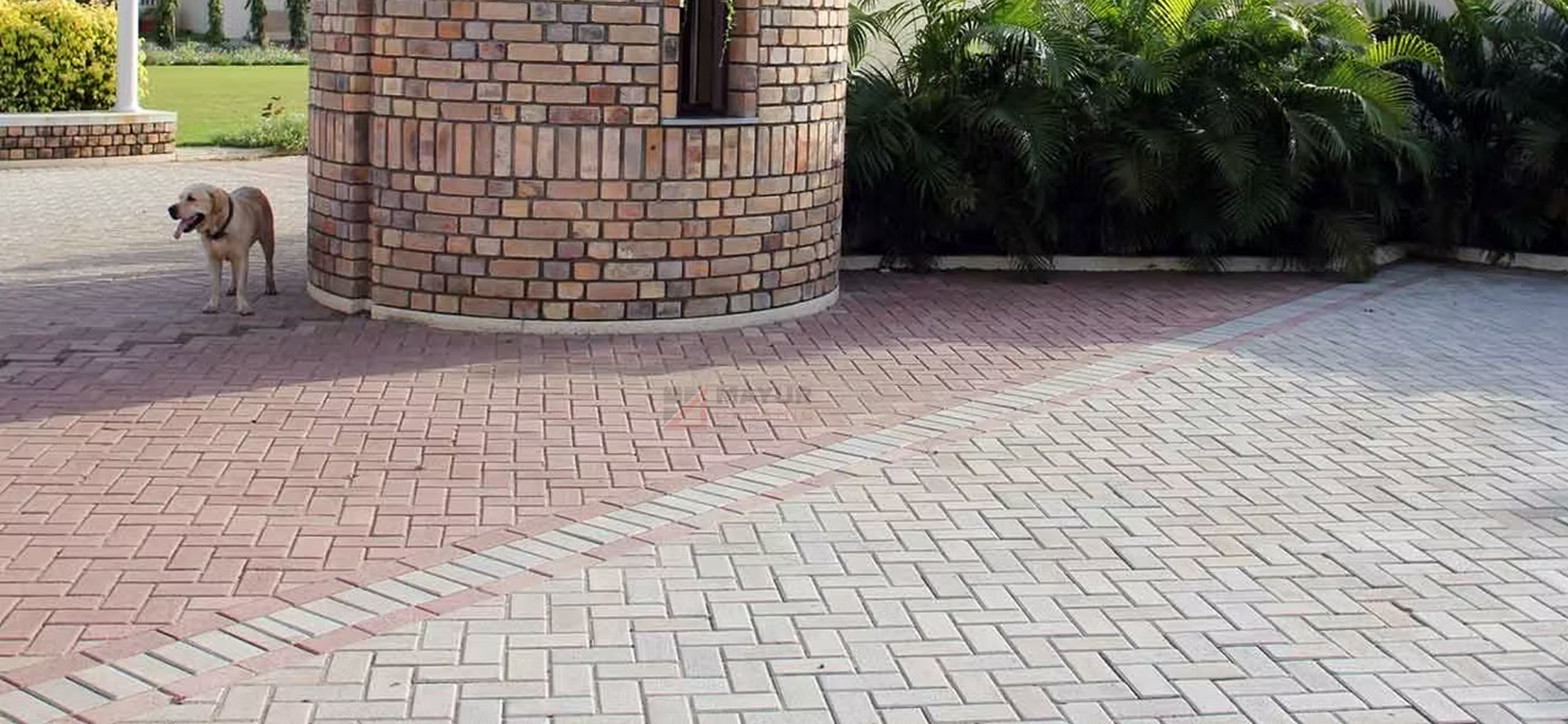
Shape and size affect both how a surface looks and how it holds up once laid. Interlocking pavers are widely used because their edges fit into each other and spread the load evenly across the surface, which is why they work well for driveways and parking areas. Rectangular and other simple shapes tend to suit walkways, patios and decorative areas where looks matter more than load-sharing. The right choice also depends on the space itself. A large open courtyard allows for different laying patterns than a narrow garden path would, so it helps to check a manufacturer's available shapes and sizes against your actual layout before ordering.
Colour and surface finish are where a project's personality comes through, whether that's matching the colour of your building, blending with the surrounding garden, or clearly marking out a driveway from a walking path. Using two or three colours or shapes together can also help separate different zones, such as marking a walking path within a parking area. Looks matter and are worth spending time on, but they should come after the right technical specification, not instead of it. A good-looking paver in the wrong thickness for its traffic will still crack or wear out early.
The manufacturer matters almost as much as the paver's specification. Look for consistent product quality, in-house testing facilities, compliance with applicable BIS standards, and a wide enough product range to cover different parts of a project, since a driveway, a walkway, and a parking area may all need different pavers from the same supplier. Past experience with similar projects is a good sign, and so is a manufacturer who takes the time to understand your specific traffic, load, and site conditions instead of pushing one standard product on everyone. Mayur Dynamic has been manufacturing paver blocks and related concrete products from its Jaipur facility for close to three decades, working across residential, commercial, and infrastructure projects, and can help you choose concrete paver blocks suited to your specific application.
Once you've thought through application, traffic, thickness, strength, and appearance, it helps to bring them together against your actual project:
There's no universal specification that fits all four. The right paver is the one matched to what the surface will actually experience.
There's no single "best" paver for every driveway. It depends on vehicle weight, frequency, and the sub-base condition. Generally, driveways need a thicker, higher-strength paver than a pedestrian path. Discuss your specific vehicle type and usage pattern with your supplier before finalising a thickness and grade.
Common options in India include 60 mm, 80 mm, and 100 mm, with thicker pavers typically used for vehicular and heavier-traffic areas. The right choice depends on your application, expected load, and the applicable IS 15658 grading, so it's worth confirming against your specific project rather than assuming one thickness fits all.
Not necessarily. A thicker paver isn't useful if it's oversized for a pedestrian-only path, and thickness alone doesn't guarantee performance. Concrete grade, manufacturing quality, and installation also matter. The goal is matching thickness to actual traffic and load, not simply choosing the thickest option available.
Check the intended application, expected traffic, required thickness and strength, compliance with IS 15658, available sizes and colours, and the manufacturer's testing and quality-control processes. Confirming these details upfront reduces the risk of ordering a paver unsuited to your site conditions.
Look at product range, manufacturing consistency, testing facilities, standards compliance, and experience with projects similar to yours. A manufacturer willing to discuss your specific traffic and load requirements, rather than recommending a single default product, is generally a better sign than price alone.
There's no single paver block that works best for every project. A specification built for a garden path won't hold up in a parking lot, and vice versa. Application, traffic, thickness, strength, quality, and appearance all play a part, and the right choice comes from matching these to what your project will actually experience day to day. If you're weighing up options, it's worth discussing your specific site conditions with a qualified manufacturer before ordering. Need help selecting the right paver blocks for your project? Explore Mayur Dynamic's range of concrete pavers or get in touch with the team to talk through your requirements.